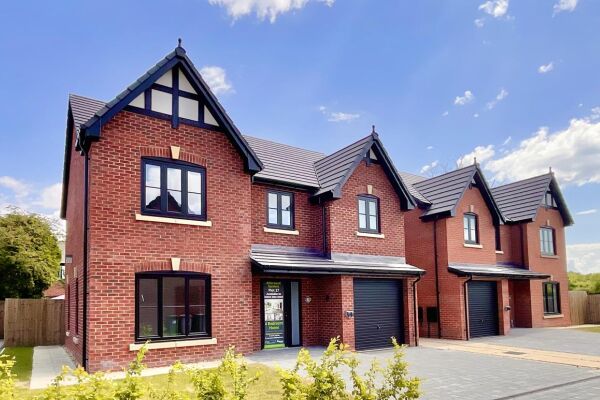
Buying your first home is one of life’s biggest milestones. While the process can feel complex at first, having the right information, and the right team supporting you, can make the journey much smoother.
With mortgage products improving and lenders introducing more competitive deals for buyers with smaller deposits, many first-time buyers are finding that owning a home is more achievable than it has been in recent years.
If you’re considering purchasing your first home, this guide will help you understand how first-time buyer mortgages work and what to expect along the way.
What is a first-time buyer mortgage?
A first-time buyer mortgage is simply a home loan designed for people purchasing their first property. Many lenders offer mortgage products specifically aimed at first-time buyers, often with:
- Lower deposit requirements
- Competitive fixed-rate deals
- Mortgage options designed for new-build homes
These products are designed to make the transition into homeownership more accessible, particularly for buyers who may still be building their savings.
How much deposit do you need?
The size of your deposit will influence how much you can borrow and the type of mortgage deals available to you.
Traditionally, buyers needed a deposit of around 10-20% of the property price, but today many lenders offer mortgages for first-time buyers with deposits starting from 5%.
For example:
- 5% deposit = higher loan amount but potentially higher interest rates
- 10-15% deposit = more competitive mortgage deals available
- 20%+ deposit = wider choice of lenders and lower interest rates
Saving a larger deposit can open up better mortgage options, but many buyers are now successfully purchasing homes with smaller deposits.
Understanding mortgage rates and terms
When comparing mortgages, it’s important to understand the different types of mortgage deals available.
Common options include:
Fixed-rate mortgages
Your interest rate stays the same for a set period (usually 2, 3 or 5 years), giving you predictable monthly payments.
Variable-rate mortgages
The interest rate may change depending on the lender’s standard variable rate.
Loan-to-value (LTV)
This is the percentage of the property price that you borrow compared to your deposit.
For example, if you buy a £250,000 home with a £25,000 deposit, your mortgage would be £225,000 – meaning your loan-to-value is 90%.
Mortgage advisors can help explain these options and identify which product suits your financial situation.
Getting a mortgage agreement in principle
Before viewing homes or making an offer, it’s helpful to obtain a Mortgage Agreement in Principle (AIP).
This is an indication from a lender confirming how much they may be willing to lend you based on your income, credit history and financial commitments.
Having an AIP can make the buying process smoother because:
- You understand your realistic budget
- Developers and estate agents know you are a serious buyer
- Your mortgage application can move more quickly once you reserve a property
Mortgages for new build homes
New build homes can be particularly attractive for first-time buyers, offering modern layouts, energy-efficient features and minimal maintenance.
However, there are a few additional considerations when arranging a mortgage for a new build property.
Some lenders have specific criteria for new-build homes, particularly if the property is purchased off plan (before construction is complete). Working with an experienced mortgage advisor can help ensure you choose a lender familiar with the new-build process.
At Edgefold Homes, we regularly work with trusted mortgage advisors who understand the requirements of purchasing a newly built property and can help guide buyers through the process.
Market conditions for first-time buyers
Kirstie Woolley, Sales Manager at Edgefold Homes said:
“It’s a great time for first-time buyers. After a period where supply has outstripped demand, the market has stabilised, and house prices remain steady still with potential for good growth.
With demand continuing to rise and developers still offering attractive deals and prices, first-time buyers have real opportunities to take advantage of the market. The key for first-time buyers is to be confident in their position and know their worth.”
With mortgage products improving and lenders becoming more competitive, buyers who are prepared and informed can find strong opportunities in today’s market.
Start your journey with Edgefold Homes
Buying your first home may feel like a big step, but with the right information and support, it can be an exciting and rewarding journey.
If you’re exploring your mortgage options or considering purchasing a new-build home, the Edgefold Homes team would be happy to help guide you through the process.
Discover our latest developments and available homes on our website.